Wet Kitchen Extension for Landed Homes in Singapore
- Marcus Lim
- May 24
- 4 min read

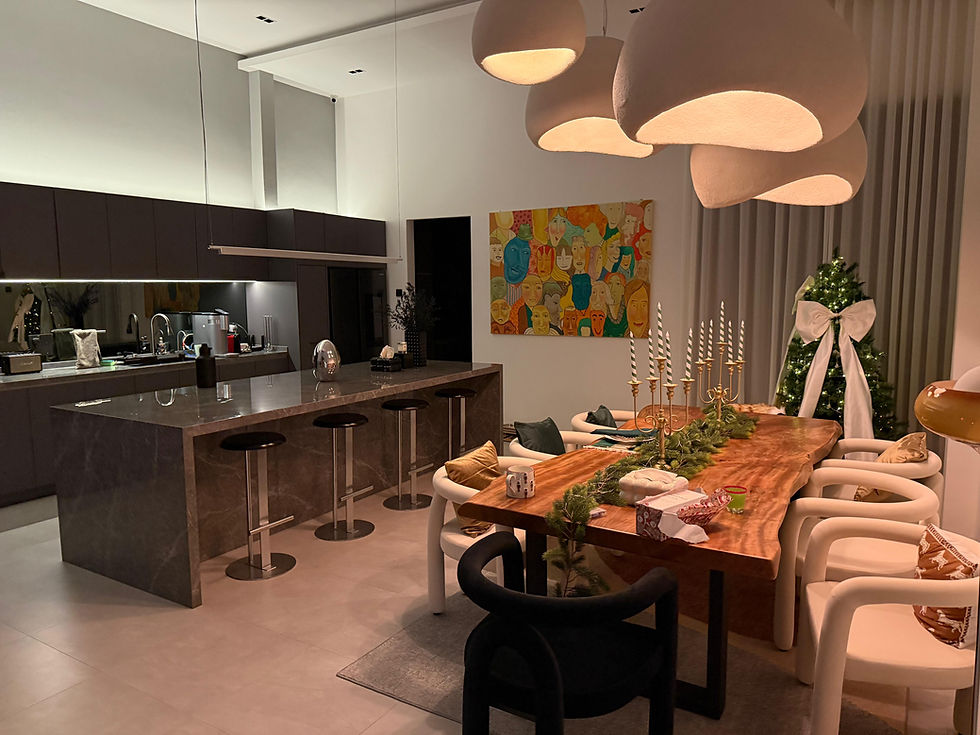
Wet Kitchen Extension for Landed Homes in Singapore
A wet kitchen extension is one of the most common improvement works for landed homes in Singapore.
For many families, the existing kitchen may feel too small, too dark, poorly ventilated or not practical enough for daily cooking.
Extending or upgrading the wet kitchen can create better cooking space, more storage, improved workflow and a more comfortable area for daily use.
But for landed homes, a wet kitchen extension is not just about cabinets and countertops.
It can involve layout planning, roofing, drainage, waterproofing, plumbing, electrical works, wet works, ventilation, carpentry and site coordination.
That is why it should be planned properly before work begins.
Why Homeowners Extend the Wet Kitchen
Many older landed homes were not designed for how families live today.
The kitchen may be narrow, closed-off, poorly lit or disconnected from the dining and laundry areas.
A wet kitchen extension can help improve the way the home functions.
Common reasons homeowners consider a wet kitchen extension include:
More cooking space
Better separation between wet and dry kitchen areas
More storage
Better ventilation
Larger preparation area
Improved laundry or backyard use
Better connection to the dining area
A more practical layout for daily family routines
For homeowners who cook often, the wet kitchen is one of the hardest-working areas of the home.
It needs to be planned for real use, not just appearance.
Layout Comes First
Before choosing tiles, cabinets or countertops, the layout should be reviewed properly.
A good wet kitchen layout should consider:
Cooking zone
Washing zone
Food preparation area
Storage
Fridge position
Hob and hood location
Sink position
Laundry access
Backyard or side-yard connection
Movement between kitchen and dining area
If the layout is wrong, even expensive materials will not make the kitchen practical.
The goal is to create a kitchen that supports daily cooking, cleaning and movement without unnecessary obstruction.
Roofing and Shelter Need Planning
For landed wet kitchen extensions, roofing is a major consideration.
The extension may affect natural light, ventilation, ceiling height, heat and rain protection.
A roof that is poorly planned can create problems later.
Homeowners should consider:
Roofline connection to the existing house
Rainwater flow
Heat buildup
Ceiling height
Natural light
Maintenance access
Waterproofing details
Drainage points
For landed homes, the roofline should not be treated as an afterthought.
It affects both comfort and long-term performance.
Drainage Is Very Important
Wet kitchen areas deal with water every day.
This makes drainage planning very important.
Poor drainage can lead to ponding, damp areas, smell issues or future repair works.
Before extending a wet kitchen, the drainage route should be reviewed carefully.
This includes:
Sink discharge
Floor trap position
Washing area drainage
Outdoor drainage connection
Backyard water flow
Laundry drainage
Slope and floor fall
A kitchen may look nice when completed, but if drainage is not planned properly, problems can appear later.
Waterproofing Should Not Be Ignored
Wet areas need proper waterproofing planning.
For landed homes, this may include kitchen floors, walls, external areas, backyard zones or areas connected to the extension.
Waterproofing is important because leaks and dampness can affect finishes, cabinets, walls and neighbouring spaces.
Before finishes are installed, the wet area details should be considered properly.
Good waterproofing planning is not something homeowners usually notice when everything is new.
But they will notice when it fails.
Electrical and Plumbing Must Match the Layout
A wet kitchen extension usually involves multiple electrical and plumbing points.
These should be planned together with the layout, appliances and carpentry.
Common items to plan include:
Sink point
Tap point
Gas or induction hob
Cooker hood
Power points
Fridge point
Washer or dryer point
Water heater if required
Lighting points
Switch positions
Exhaust or ventilation requirements
Electrical and plumbing works should not be planned separately from carpentry.
For example, the cabinet layout may affect where appliances sit. The sink position may affect plumbing. The hob and hood position may affect electrical and ventilation planning.
When these items are coordinated early, the final kitchen is easier to use.
Carpentry Planning Matters
Carpentry is one of the biggest parts of a wet kitchen renovation.
Cabinet layout, storage height, drawer planning, sink cabinet, appliance space and worktop support all affect daily use.
For a landed wet kitchen, homeowners should think about:
Heavy cooking needs
Storage for pots and pans
Tall unit storage
Cleaning items
Waste bin location
Countertop space
Appliance allowance
Moisture-resistant materials
Easy maintenance
A wet kitchen should not only look clean in photos.
It should be able to handle real daily cooking.
At LIMM Works Pte Ltd, our carpentry works are supported by our own local carpentry factory. This helps us coordinate measurements, production and installation more clearly with the renovation team.
Ventilation and Heat Control
Wet kitchens can become hot, humid and oily if ventilation is not planned properly.
This is especially important in Singapore.
Homeowners should consider:
Window position
Airflow
Cooker hood placement
Exhaust route
Natural ventilation
Heat from roofing materials
Connection to backyard or side-yard
A wet kitchen extension should improve comfort, not trap heat and smell inside the home.
Site Access and Work Sequencing
For landed homes, site access affects the renovation process.
Materials, debris, workers and equipment need to move in and out of the property safely.
A wet kitchen extension may involve hacking, masonry, wet works, waterproofing, plumbing, electrical, roofing, tiling, carpentry and final installation.
These works must be sequenced properly.
If the sequence is wrong, it can delay the project or create unnecessary rework.
This is why site coordination matters.
How LIMM Works Approaches Wet Kitchen Extension
LIMM Works Pte Ltd helps landed homeowners plan renovation and A&A works with practical site coordination.
For wet kitchen extension works, we look at the space as a whole.
That includes layout, cooking needs, storage, roofing, drainage, waterproofing, electrical, plumbing, tiling, carpentry and site access.
Our projects are supported by our own local carpentry factory and in-house trade teams covering demolition, electrical, plumbing, tiling, false ceiling and carpentry works.
This helps us coordinate key renovation stages more clearly from site preparation to final handover.
Planning a Wet Kitchen Extension?
If you are planning a wet kitchen extension for your landed home in Singapore, speak with LIMM Works Pte Ltd.
Share your floor plan, site photos, current kitchen issues, preferred layout, budget range and timeline.
We will review your requirements and advise on the next step.
Discuss Your Wet Kitchen Extension


Comments